Introduction
In the world of shooting sports, IPSC (Global Practical Shooting Confederation) is a popular and exhilarating discipline that checks the speed, precision, and mental agility of competitors. One of the key elements in IPSC is the efficient use of targets. These targets play an important function in tough shooters and developing a dynamic and engaging experience. In this short article, we will explore the psychology behind effective IPSC targets, analyzing ipsc competition paper targets how they affect the shooter's performance and overall competitors experience.
The Importance of IPSC Targets
IPSC targets are not simple pieces of paper or cardboard. They are thoroughly developed to replicate real-life situations, making shooters respond rapidly and make split-second decisions. Effective IPSC targets are vital for creating a difficult environment that tests both physical skills and psychological fortitude.
Enhancing Concentration and Focus
IPSC targets are tactically positioned to require constant attention from shooters. By presenting numerous shapes, sizes, and scoring zones, these targets require rivals to focus on their technique, precision, and sight alignment. This extreme focus assists shooters establish an increased level of concentration that can be moved to other locations of life.
Building Decision-Making Skills
In IPSC competitions, shooters face numerous targets with different scoring zones. To maximize their points while decreasing time charges, rivals should make quick decisions on which target to engage very first and where to aim specifically. This decision-making procedure under pressure enhances critical believing skills and trains individuals to examine situations rapidly.
Testing Response Time
IPSC targets typically incorporate moving or vanishing components to simulate real-world circumstances where threats may be vibrant or fleeting. By engaging with these reactive targets, shooters train their reflexes and refine their ability to respond promptly to altering circumstances. The busy nature of IPSC competitions challenges participants to make split-second choices while maintaining accuracy.
The Style Concepts Behind Reliable IPSC Targets
To genuinely understand the psychology behind reliable IPSC targets, it is essential to analyze the style concepts that make them impactful. Here are some key factors that add to creating interesting and challenging IPSC targets:
Clear Scoring Zones
Effective IPSC targets have clearly specified scoring zones, which are usually represented by various shapes and colors. These zones require shooters to intend precisely and strike particular areas to maximize their rating. By offering immediate feedback on shot positioning, these targets assist shooters enhance their precision and establish muscle memory.

Varying Problem Levels
IPSC competitions accommodate shooters of all ability levels, from novices to experienced professionals. Efficient targets ought to accommodate this range by using varying trouble levels. This makes sure that rivals are properly challenged while still offering a sense of accomplishment and progression.
Realistic Shapes and Sizes
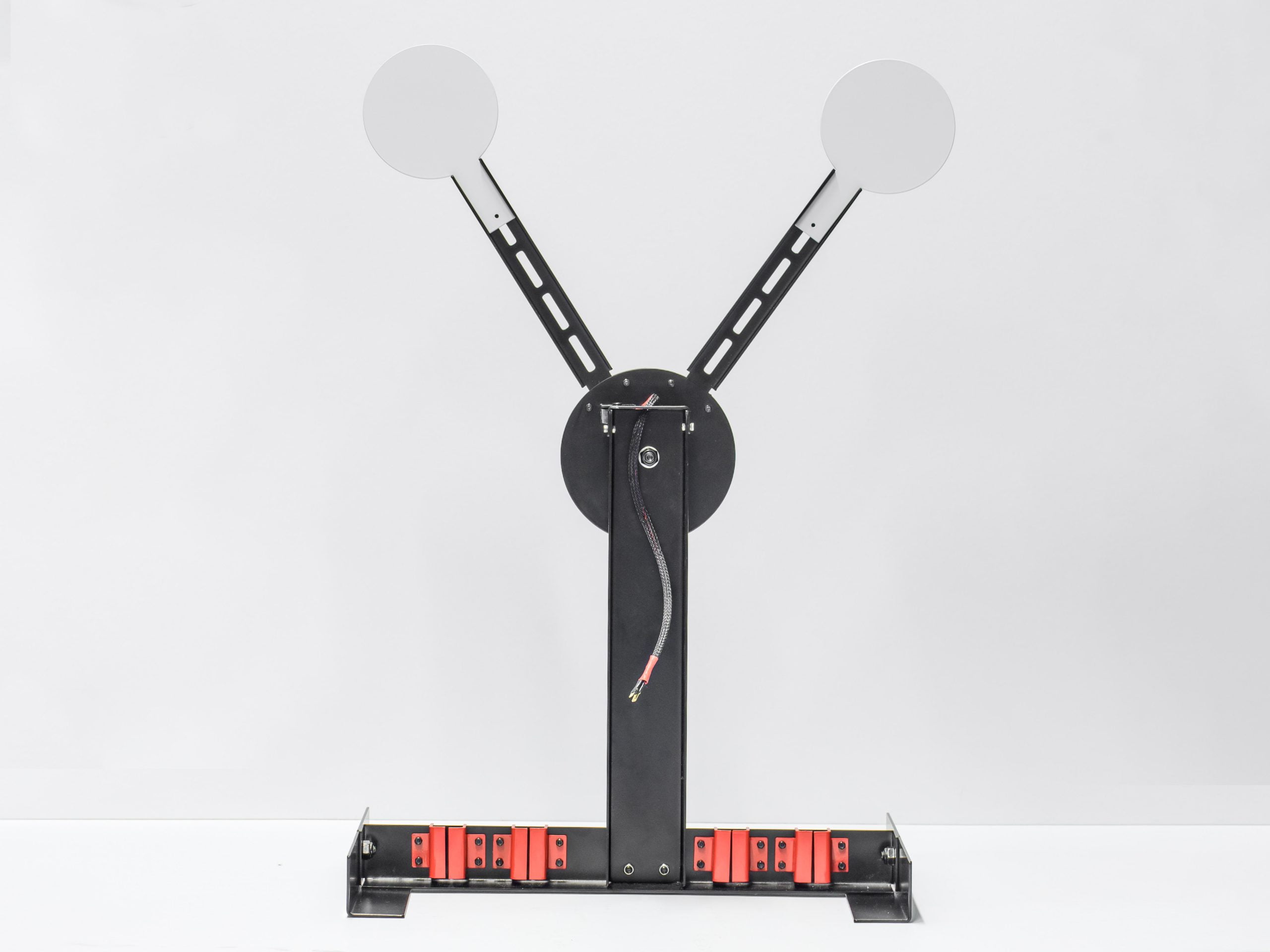
To simulate real-life scenarios, efficient IPSC targets typically include sizes and shapes that mirror possible dangers or obstacles. By presenting these elements, shooters must adjust their shooting methods to engage with targets representing various objects or people. This includes an aspect of realism and unpredictability to the competition.
Reactive Elements
Static targets can just offer limited obstacles. Reliable IPSC targets integrate reactive components such as moving parts or disappearing sections, simulating real-world dynamics. Shooters must rapidly identify and engage these reactive aspects, improving their ability to react promptly while preserving accuracy.
FAQs about Effective IPSC Targets
Q: Why are IPSC targets made of paper or cardboard?- A: Paper and cardboard are cost-efficient materials that offer ideal resistance for bullet impact while enabling easy scoring.
- A: Yes, IPSC has strict standards for target positioning to guarantee fairness and security for all competitors.
- A: Yes, different divisions within IPSC may have particular requirements for targets based upon the firearms used and the level of competition.
- A: Yes, numerous makers provide customizable IPSC targets to match individual training needs and simulate particular scenarios.
- A: The tough nature of IPSC targets forces shooters to conquer stress, pressure, and diversions, ultimately building psychological resilience.
- A: Safety is vital in IPSC. Targets should be positioned in a way that lessens possible risks and guarantees a safe shooting environment.
Conclusion
Effective IPSC targets are not merely fixed things; they have an extensive effect on the psychology of shooters. By improving concentration, developing decision-making abilities, and screening reaction time, these targets create an interesting and challenging experience for competitors. Comprehending the design concepts behind efficient IPSC targets allows us to value their function in shaping the frame of mind and efficiency of shooters in this thrilling discipline. So, whether you're a skilled shooter or someone interested in exploring the world of competitive shooting, the psychology behind effective IPSC targets provides valuable insights into this dynamic sport.